Headshot Photography Case Study - Valpak Ltd, Stratford-upon-Avon
Valpak is a leading provider of environmental compliance services. Based in Stratford-upon-Avon, they reached out to me to create headshots for approximately half of their staff, which worked out at around 160 people.
To ensure everyone who wanted a headshot would have the opportunity to attend, we arranged the sessions to take place over three weeks. Each was scheduled for a different day of the week, to give everyone the best chance of finding a convenient slot. This is a sensible approach for a modern company, where many employees will be hybrid or remote workers, and some may live a considerable distance from the main office.
High-volume headshot sessions like this can be tricky. The key thing is to balance the need to photograph a large number of people as efficiently as possible with the consideration that some individuals can feel very nervous and pressured in front of the camera. I’ve found that making sure everybody has at least five minutes for their slot gives enough time to develop a rapport and work through the nerves, while still keeping the session moving and avoiding bottlenecks where people are standing around waiting for their turn in the spotlight.




The Brief
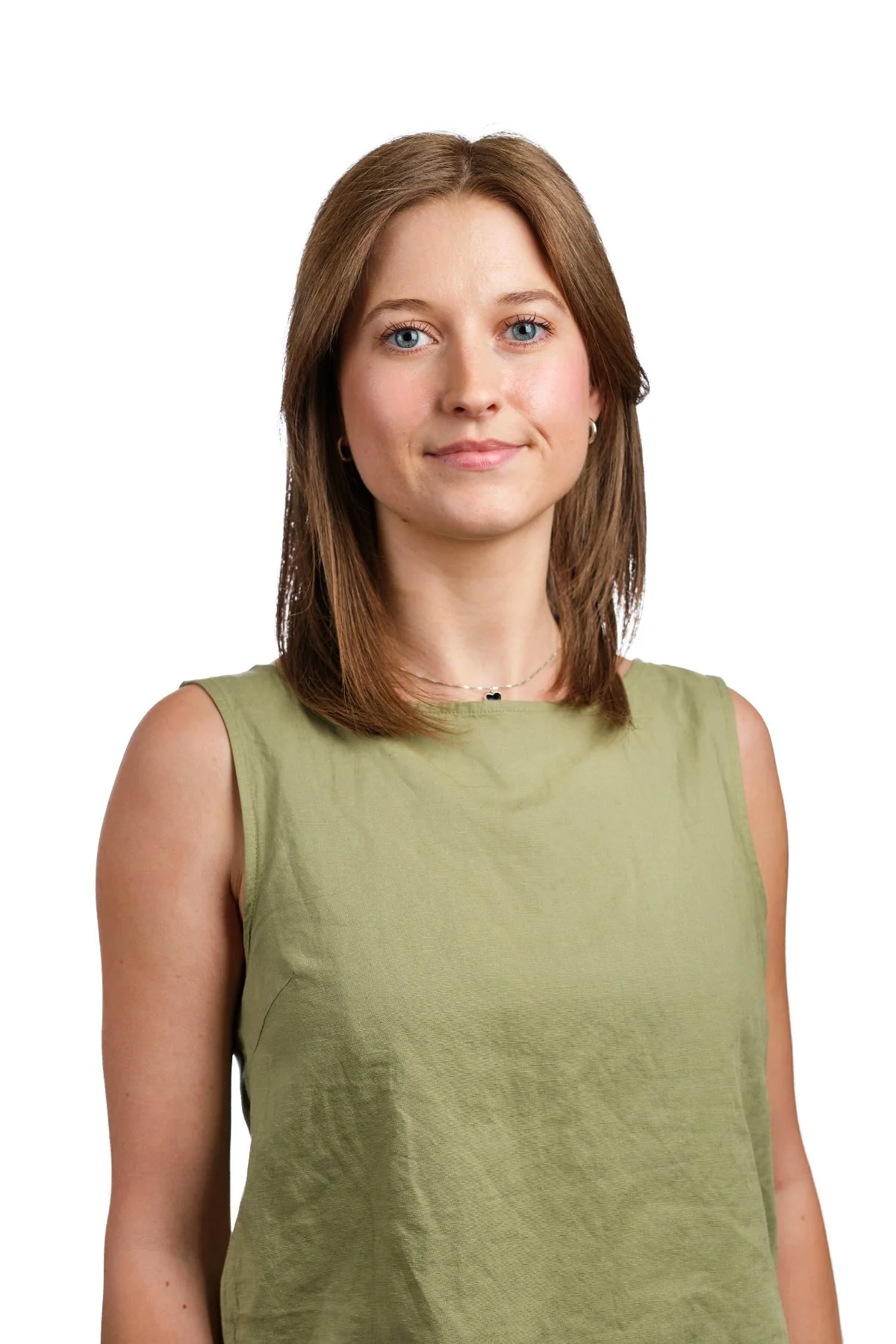
My contact at the company sent through a few example photographs from the previous round of headshots they’d had done a couple of years before. Some employees planned to update their headshots, some didn’t, and there were plenty of new recruits who were having theirs done for the first time. The aim was to use a similar lighting style as the previous photos, for consistency across the company, and a plain, pure white backdrop for maximum flexibility (some of the images were to be digitally transferred onto coloured backgrounds).


The Set-Up
To match the existing style of the team headshots required a relatively simple set-up, with a white background lit by a strobe light hidden behind the subject and the main light coming from a large rectangular softbox positioned to the right of camera (i.e. the subject’s left). To brighten the shadows cast by the light, I also set up a round reflector to bounce some of the illumination back onto the right-hand side of the subject’s face. This helps achieve a well-lit portrait that still looks fairly natural, as it’s something like the light pattern you’d get standing beside a window in a bright room.
I shot the headshots in portrait orientation. I think this works well in a companies with a looser dress code, where people tend to express themselves through what they wear, as you can see more of their outfit. There are various opinions about whether a headshot should be strictly head-and-shoulders, or whether you can include a person’s hips and hands and still call it a headshot, but ultimately definitions don’t matter too much as long as the results work for the client. By framing the shots with a little clear space above the top of each individual’s head and down to about navel-level, the final photos can also be cropped to a landscape orientation for any application where a more standard headshot is needed, or cut down even further for a LinkedIn profile picture or similar.




The Results
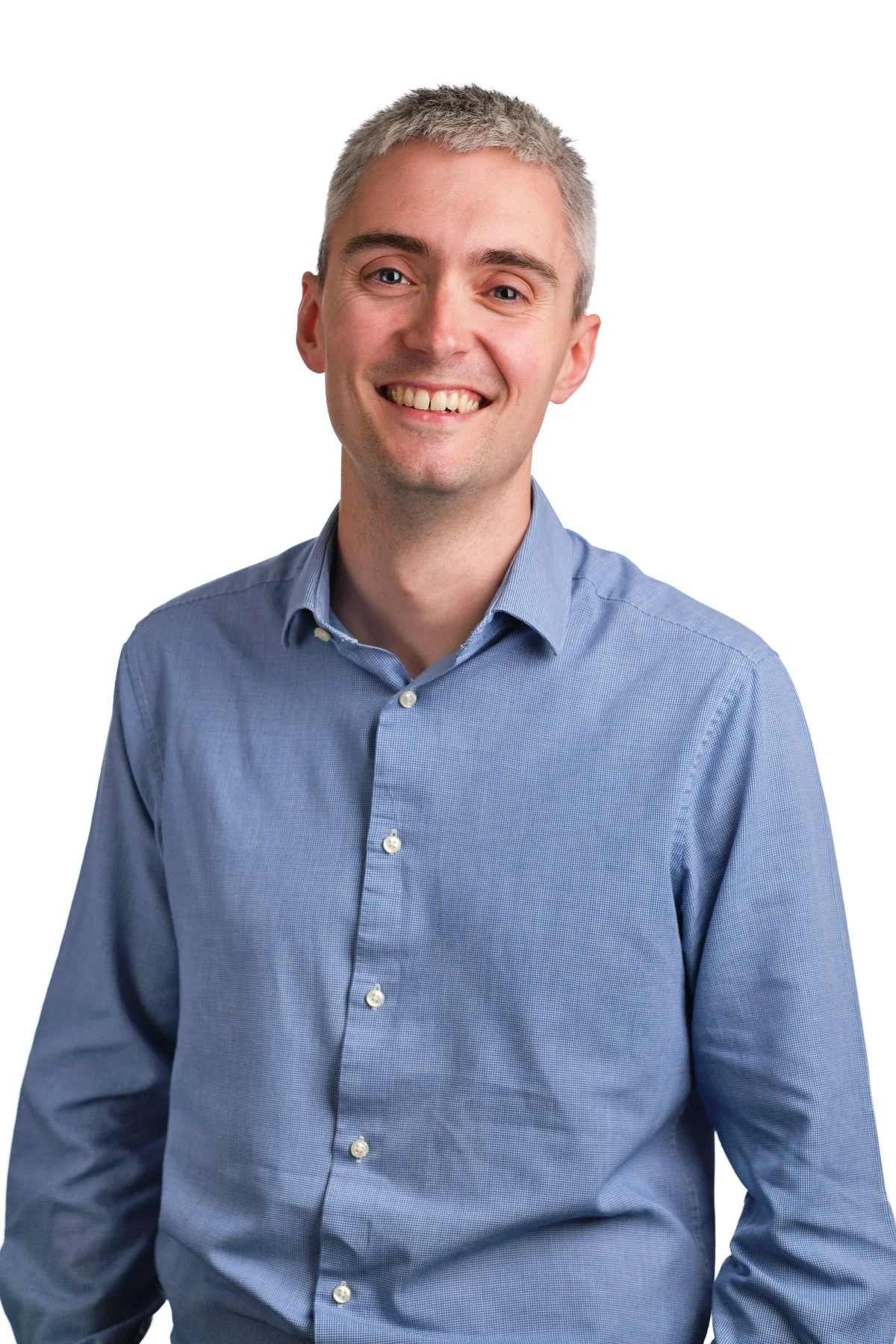
I was very pleased with the photos from these sessions, and have had great feedback from the client. Despite being taken on three different days over three separate weeks, I was able to create a consistent look from the first photo to the last. It certainly helped that I was able to use the same room each time, and kept a note of my camera settings rather than trying to remember what I’d done on my previous visit.
I was surprised by how many people told me they really appreciated seeing their photos on the back of my camera during their session. Several people said that their previous headshots (particularly those taken at other companies) had been done without them seeing their photos until the finished edits were delivered. This seems so strange - I can’t imagine not involving each person in their headshot. To me, it’s a collaborative process, and although most people tend to be pleasantly surprised when they first see the pictures, for anyone who’s not there’s almost always something we can do to make them feel happier about the images we’re creating.
The other thing was how much more relaxed people became once they knew they would be able to choose their headshot from a range of options, and not have to pick one there and then. Again, this is part of my workflow and I wouldn’t really want to do it any other way. Choosing on behalf of somebody or making them pick from the back of the camera just seems like a recipe for lumbering them with a headshot they’re not keen on, or at least don’t feel any real ownership of.
Headshot Photography that Means Business!
If you’re looking to update your company’s headshots, why not get in touch? I’d love to talk to you about how we can create consistent, quality headshots that reflect your brand, and show off your team at their very best.